hi8is
Members
-
Joined
-
Last visited
Everything posted by hi8is
-
Dagnabit - Sure hope not. Here in Southern California it’s 105 today. Rain sounds like a dream come true. Having weather mess with our pitching staff is about the last thing this team needs.
-
Yup. I doubt the cheers will have much behind them.
-
Pretty sure that’s the first or second time I’ve tagged our almighty dunce during the year. Minions going to minion. Totally fine for the all powerful to sling gay slurs / insults at me while I’m navigating a potential cancer diagnosis — but dare I tell him off, that “won’t be tolerated.” Back to your scheduled programming whereas I certainly will not tell anyone to f*** off but rather will say the same thing in more words that all have positive connotations. Tune in next week for another Jerry Springer edition of Soxtalk. Until then, let’s win this fucking game!
-
Trajekt will save the day. I really think the Sox having one at the park is one reason they have one of the best home records in baseball. It must be extremely helpful to “hit” off the opposing pitcher before the game. Imagine dialing up any specific pitchers most thrown pitch and being able to take 50 swings off that exact pitch before game time. Then our guys can go up during the game and sit on that pitch with a LOT more comfort.
-
Odd thing: Landon looks like a young PCA 😆

-
Please quiet your anxiety and steward the encouraged faith you are capable of. * This is a @southsider2k5 approved message.
-
He’s 0-4 in single A - obviously a bust. Roch was the right pick.
-
Just unreal that he was able to take that pitch to left-center considering its location. Wow.
-
Can’t detect sarcasm and want to find any excuse possible to exude some of your own still. Shut the f*** up.
-
Absolutely. We need to find arms and someone with Fedde’s pedigree should be one of the first ones in line.
-
A couple of outs seemed like on other days with the wind neutral or blowing out, would have been outta here. Then we’d all be singing phrase and smelling roses. I’m having visions of holding up a sign that says “SHUT THE f*** UP” when we record the final out to secure an ALCS championship and World Serious birth. In reality, if we simply win the division it’s a massive win. 99.9% of White Sox fandom thought this team finishing in this season 10 games under .500 would have been a pipe dream.
-
We get it. You’re not impressed. Now step away from the ledge and shut the f*** up.
-
The sky isn’t falling. Over the last 5 weeks they’re exactly 15 and 15. They also swept the only division games they played in that period. They keep playing at even a .500 clip while beating the central and we win the division. Simply put: Shut the f*** up… please.
-
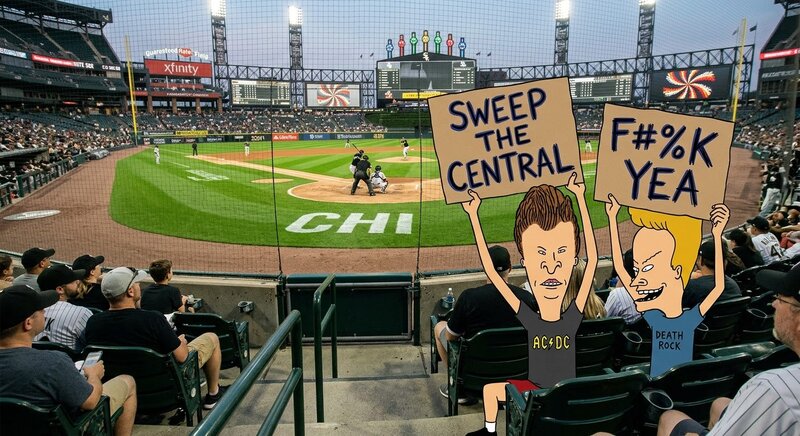
Oh well. Take the Mets series, take the Rangers series, and then continue the SWEEP THE CENTRAL campaign against the Twinkies.Nice to see that Martin will be tested in the minors on assignment first before he’s back on the mound for us giving up 18 runs in the first.Getting something of substance in our starting rotation picture for a few years in exchange for Cease would be absolutely huge.He would be a great replacement for Stone.Huge story:Double oopsWildMcKnight referencing Trevor Bauer, “A sword sets him down!” 😆 I’m looking forward to, “CAN I HELP YOU — JUST LOOKING!!”Gonna have to wait until the patent pending “third time through”.We’re going to miss him when he’s gone. Same with when Hawk was still around and so many people would talk s%*#. Then he retires and you see the “options” that end up replacing him… immediately everyone wishes we still had Hawk around. Speaking of which - imagine how hard core he would be in on this team and these games. Dude would be through the moon and blowing a gasket in the best possible way.